
Which Option Is Better for You?
Losing weight is one of the biggest health goals for many people in Pakistan. Some people try strict diets, join gyms, or follow online workout plans for months without seeing major results. Others consider bariatric procedures because they want faster and more sustainable weight loss.
This often leads to one important question: Weight Loss Surgery vs Diet and Exercise which option is actually better?
The answer is not the same for everyone. Your body weight, medical history, lifestyle, and previous weight-loss attempts all matter. At cosmetique wieght loss, specialists help patients understand both options so they can make informed decisions instead of choosing based on social media trends.
In this article, we will compare surgery with traditional weight-loss methods, discuss their benefits and risks, explain who is a good candidate for each, and help Pakistani readers understand the Weight Loss Surgery Cost in Pakistan and whether it is worth the investment.
Understanding Weight Loss Surgery
Weight loss surgery, also called bariatric surgery, includes procedures such as:
- Gastric sleeve (sleeve gastrectomy)
- Gastric bypass
- Mini gastric bypass
- Adjustable gastric band (less common today)
These procedures reduce the size of the stomach and, in some cases, change how the body absorbs calories. As a result, patients feel full sooner and eat smaller portions.
Doctors usually recommend surgery for people who:
- Have a BMI of 35 or higher
- Have obesity-related conditions such as diabetes, high blood pressure, sleep apnea, or joint pain
- Have tried diet and exercise multiple times without long-term success
Bariatric surgery is not a cosmetic shortcut. It is a medically approved treatment for obesity that requires lifelong lifestyle changes.
What Does Diet and Exercise Involve?
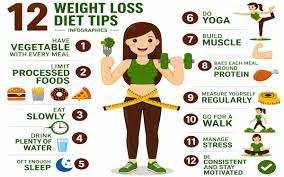
Traditional weight loss focuses on creating a calorie deficit through:
- Healthy eating
- Portion control
- Regular physical activity
- Strength training
- Cardio workouts
- Behavior and lifestyle changes
For many overweight individuals, this approach is the safest first step. It improves overall health even before significant weight loss occurs.
A typical plan may include:
| Component | Example |
| Diet | Balanced meals with protein, vegetables, fruits, and whole grains |
| Exercise | 150–300 minutes of activity per week |
| Strength Training | 2–3 sessions weekly |
| Lifestyle | Better sleep, stress management, and hydration |
The challenge is consistency. Many people lose weight initially but regain it within a few years if habits are not maintained.
Weight Loss Surgery vs Diet and Exercise: Quick Comparison
| Factor | Surgery | Diet & Exercise |
| Average Weight Loss | 25–35% of body weight | 5–15% of body weight |
| Speed of Results | Faster | Slower |
| Long-Term Maintenance | Better for severe obesity | Depends heavily on consistency |
| Medical Supervision | Required | Recommended |
| Recovery Time | 2–6 weeks | No surgical recovery |
| Cost | Higher upfront cost | Lower upfront cost |
| Best For | Severe obesity | Mild to moderate overweight |
This comparison shows that surgery is generally more effective for significant obesity, while diet and exercise remain essential for everyone.
Which Option Gives Better Weight Loss Results?
Research consistently shows that bariatric surgery leads to greater and more sustained weight loss than lifestyle changes alone in people with severe obesity.
Typical Results After Surgery
- Gastric sleeve: 60–70% excess weight loss
- Gastric bypass: 65–80% excess weight loss
Typical Results with Diet and Exercise
- 5–10% body weight loss in 6–12 months
- Some highly motivated individuals may achieve 15–20%
However, the key difference is maintenance. Many patients regain a portion of the weight lost through dieting, whereas surgical patients often maintain a larger percentage of their weight loss over 5–10 years.
That said, surgery is not automatic. Patients who continue unhealthy eating habits can still regain weight.
Health Benefits Beyond Weight Loss
Benefits of Surgery
Many Pakistani patients seek surgery not only for appearance but also for health improvement.
Common benefits include:
- Better blood sugar control
- Reduced need for diabetes medication
- Lower blood pressure
- Improved cholesterol levels
- Better sleep quality
- Less knee and back pain
- Increased mobility and energy
Some patients experience remission of type 2 diabetes within months after surgery.
Benefits of Diet and Exercise
Lifestyle changes also provide major health advantages:
- Improved heart health
- Better fitness and stamina
- Stronger muscles and bones
- Reduced stress and anxiety
- Better digestion
- Improved mood and confidence
Even a 5% weight loss can significantly improve metabolic health.
What Are the Risks?
Risks of Weight Loss Surgery
Modern bariatric surgery is much safer than many people think, but it still carries risks such as:
- Bleeding
- Infection
- Blood clots
- Nutritional deficiencies
- Acid reflux
- Need for additional surgery in rare cases
Choosing an experienced bariatric surgeon greatly reduces these risks.
Risks of Diet and Exercise
Traditional weight loss is generally safe, but problems can occur when people follow extreme methods:
- Very low-calorie diets
- Unregulated supplements
- Excessive exercise
- Rapid weight loss programs
These approaches may lead to muscle loss, fatigue, dizziness, and nutritional deficiencies.
Weight Loss Surgery Cost in Pakistan
Cost is one of the biggest concerns for Pakistani families.
Average Price Range
| Procedure | Estimated Cost |
| Gastric Sleeve | PKR 450,000–750,000 |
| Mini Gastric Bypass | PKR 500,000–850,000 |
| Gastric Bypass | PKR 600,000–1,000,000+ |
The final Weight Loss Surgery Cost in Pakistan depends on:
- Hospital facilities
- Surgeon experience
- City (Lahore, Karachi, Islamabad, etc.)
- Pre-operative tests
- Post-operative follow-up care
At cosmetique wieght loss, patients receive a detailed consultation and package explanation before any procedure is scheduled.
Is Surgery Worth the Cost?
For someone with severe obesity and obesity-related illnesses, surgery can reduce long-term healthcare expenses by improving conditions such as diabetes and hypertension.
Consider this simplified example:
Annual obesity-related expenses
Example
Diabetes medications
PKR 60,000–120,000
Blood pressure medicines
PKR 20,000–50,000
Frequent doctor visits
PKR 15,000–40,000
Joint pain treatment
PKR 20,000–80,000
Estimated yearly total
PKR 115,000–290,000
Actual costs vary by condition, medications, and city.
Over several years, these costs can become substantial. If surgery leads to significant improvement in these conditions, many patients feel the investment is justified.
However, if a person is only 10–15 kg overweight and has no major medical problems, surgery is usually not the first recommendation.
Who Should Choose Diet and Exercise?
You may benefit more from lifestyle treatment if:
- Your BMI is below 30
- You are overweight but not obese
- You have not seriously attempted a structured program before
- You can exercise regularly
- You do not have severe obesity-related diseases
A realistic goal is to lose 0.5–1 kg per week through sustainable habits.
Practical Tips
- Eat protein at every meal
- Reduce sugary drinks
- Walk 8,000–10,000 steps daily
- Sleep 7–8 hours
- Track your progress weekly
Many Pakistani foods can be included in a healthy plan with portion control rather than complete restriction.
Who Should Consider Weight Loss Surgery?
Surgery may be appropriate if:
- BMI is 35+
- BMI is 30+ with diabetes or other serious conditions
- Multiple diet attempts have failed
- Weight is affecting daily activities
- Joint pain limits exercise
- Doctors have recommended bariatric treatment
A consultation with a qualified bariatric specialist is essential before making a decision.
Can You Avoid Surgery with Intensive Lifestyle Changes?
Sometimes, yes.
People with BMI 30–35 may achieve significant weight loss through:
- Medical nutrition therapy
- Supervised exercise programs
- Weight-loss medications prescribed by a doctor
- Behavioral counseling
If these methods produce meaningful results, surgery may not be necessary.
The important thing is to follow a medically supervised plan rather than random internet diets.
What Happens After Surgery?
Many patients underestimate the lifestyle changes required after bariatric surgery.
First Few Months
- Liquid diet
- Soft foods
- Small portions
- Vitamin supplements
Long-Term
- High-protein meals
- Regular physical activity
- Lifelong nutritional monitoring
- Follow-up appointments
Patients who combine surgery with exercise generally achieve the best results.
In reality, Weight Loss Surgery vs Diet and Exercise is not an either/or battle. The most successful surgical patients still rely on healthy eating and regular activity.
Frequently Asked Questions
Is weight loss surgery permanent?
The stomach reduction is permanent, but weight regain can occur if healthy habits are not maintained.
Can I lose 20 kg without surgery?
Yes. Many people can lose 20 kg through a structured diet and exercise program, although it may take 6–12 months or longer.
Which is safer: surgery or dieting?
For mild overweight, dieting is safer. For severe obesity, modern bariatric surgery performed by experienced surgeons is considered a safe and effective treatment.
How soon can I return to work after surgery?
Most patients return to desk work within 1–2 weeks, while physically demanding jobs may require 3–6 weeks.
Will insurance cover Weight Loss Surgery Cost in Pakistan?
Coverage is limited and depends on the insurance provider and policy.
Final Verdict: Weight Loss Surgery vs Diet and Exercise
The best choice depends on your health, weight, and previous experiences.
- Diet and exercise are ideal for people with mild to moderate excess weight.
- Weight loss surgery is often more effective for severe obesity and obesity-related medical conditions.
- Surgery provides larger and more durable weight loss, but it requires lifelong commitment.
- Lifestyle changes remain essential whether or not surgery is performed.
If you are unsure which path is right for you, the safest step is a professional assessment. At cosmetique wieght loss, specialists evaluate your BMI, medical history, eating habits, and goals to recommend the most appropriate treatment.
Remember, successful weight loss is not about choosing the fastest option. It is about choosing the method that helps you become healthier, maintain your results, and improve your quality of life for years to come.