
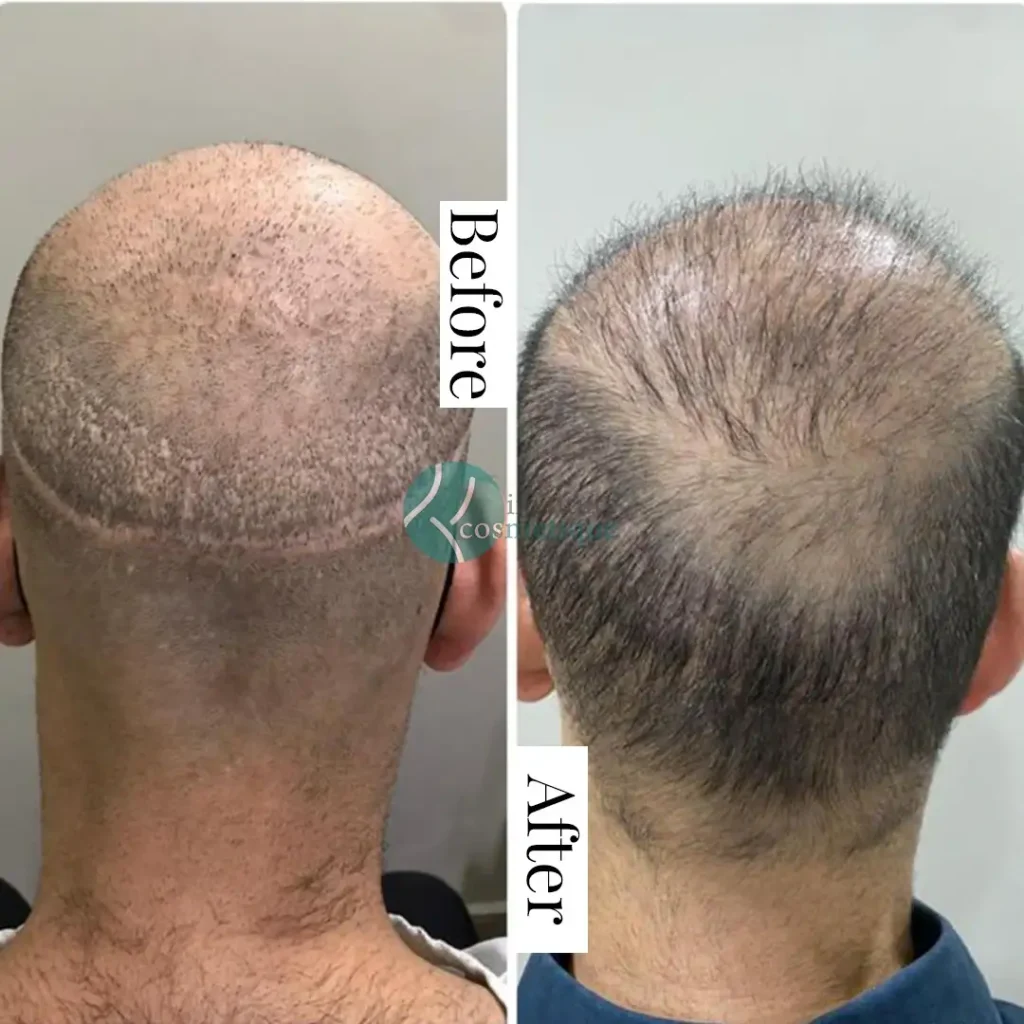
What Is the Best Hair Transplant Method?
Hair loss affects millions of men and women worldwide. Whether it is caused by genetics, hormonal changes, aging, stress, or medical conditions, losing hair can impact confidence and self-esteem. Fortunately, modern hair transplant procedures offer long-lasting and natural-looking results.
So, what is the best hair transplant method? The answer depends on your hair type, the extent of hair loss, your donor hair quality, budget, and personal goals. While there is no single method that suits everyone, modern techniques such as Follicular Unit Extraction (FUE), Direct Hair Implantation (DHI), and Follicular Unit Transplantation (FUT) have transformed hair restoration.
In this guide, institue of cosmetique explains each technique, compares their advantages and disadvantages, and helps you understand which option may be the right choice for you.
Why Choosing the Right Hair Transplant Method Matters
A hair transplant is a long-term investment in your appearance. Selecting the right technique affects:
- Hairline design
- Recovery time
- Natural appearance
- Number of grafts required
- Scarring
- Overall satisfaction
An experienced surgeon evaluates your scalp, donor area, hair density, and future hair loss before recommending the most suitable approach.
Understanding How Hair Transplants Work
Hair transplantation involves removing healthy hair follicles from a donor area—usually the back or sides of the scalp—and implanting them into thinning or bald areas.
These transplanted follicles continue to grow naturally because they are genetically resistant to hair loss.
The procedure is performed under local anesthesia, allowing patients to return home the same day.
The Most Popular Hair Transplant Methods
1. Follicular Unit Extraction (FUE)
FUE is currently one of the most popular hair transplant techniques worldwide.
During this procedure, individual hair follicles are extracted using tiny punches and implanted into recipient areas.
Benefits of FUE
- Minimally invasive
- Tiny scars that are barely noticeable
- Faster recovery
- Natural-looking results
- Suitable for short hairstyles
- Less discomfort after surgery
Drawbacks
- Takes longer for large sessions
- Requires an experienced surgeon
- May cost more than FUT
FUE is ideal for patients who want minimal scarring and quicker healing.
2. Direct Hair Implantation (DHI)
DHI is an advanced version of FUE.
Instead of creating recipient channels first, the surgeon uses a specialized implantation pen to place follicles directly into the scalp.
Benefits of DHI
- Greater precision
- Better control over angle and direction
- Higher graft survival
- Minimal bleeding
- Faster healing
- Excellent hair density
Drawbacks
- More expensive
- Longer procedure time
- Requires highly skilled specialists
DHI is often recommended for patients who want maximum density in smaller treatment areas.
3. Follicular Unit Transplantation (FUT)
FUT, also known as the strip method, involves removing a strip of scalp from the donor area.
Hair follicles are separated under a microscope before being transplanted.
Benefits of FUT
- Suitable for large numbers of grafts
- Often less expensive
- High-quality graft collection
- Shorter extraction time
Drawbacks
- Linear scar
- Longer recovery
- More discomfort after surgery
Although FUT is less common today, it remains a suitable option for some patients with extensive hair loss.
FUE vs DHI vs FUT
| Feature | FUE | DHI | FUT |
| Scarring | Minimal | Minimal | Linear scar |
| Recovery | Fast | Very fast | Moderate |
| Natural Results | Excellent | Excellent | Excellent |
| Pain | Minimal | Minimal | Slightly higher |
| Cost | Medium | Higher | Lower |
| Density | High | Very High | High |
| Suitable for Large Areas | Yes | Moderate | Yes |
Which Hair Transplant Method Looks the Most Natural?
When performed by an experienced surgeon, all three methods can produce natural results.
However, DHI often provides:
- Better angle control
- Improved hairline precision
- Higher density
- Excellent graft survival
Natural results depend more on the surgeon’s skill than on the technique itself.
Which Hair Transplant Method Has the Fastest Recovery?
Recovery time varies between individuals.
Generally:
- DHI: 7–10 days
- FUE: 7–14 days
- FUT: 2–3 weeks
Most redness and swelling disappear within one week for FUE and DHI patients.
Which Hair Transplant Method Is Best for Severe Hair Loss?
Patients with advanced baldness often need thousands of grafts.
Depending on donor hair availability, surgeons may recommend:
- FUT for maximum graft collection
- FUE for less visible scarring
- A combination of FUT and FUE
The decision should always be based on a thorough consultation.
Factors That Help Determine the Best Hair Transplant Method
No single method is ideal for everyone.
Doctors evaluate:
Hair Loss Pattern
The Norwood scale helps determine the severity of male pattern baldness.
Donor Hair Quality
Healthy, thick donor hair leads to better outcomes.
Hair Characteristics
Hair texture, thickness, curl pattern, and color all influence the final appearance.
Age
Younger patients may require a long-term treatment plan because hair loss can continue over time.
Budget
Different procedures vary in cost depending on graft count and technology.
Desired Hairstyle
People who prefer very short hair usually benefit from FUE or DHI because they leave minimal visible scarring.
Is Robotic Hair Transplant Better?
Some clinics use robotic systems to assist with FUE extraction.
Potential benefits include:
- Consistent extraction
- Improved accuracy
- Reduced fatigue
However, the surgeon still plans the hairline, selects grafts, and performs implantation. Technology supports the procedure, but experience remains the key factor.
What Results Can You Expect?
Hair growth occurs gradually.
Typical timeline:
| Time After Surgery | What Happens |
| First Week | Healing begins |
| 2–4 Weeks | Temporary shedding |
| 3–4 Months | New growth starts |
| 6 Months | Noticeable improvement |
| 9 Months | Increased density |
| 12–18 Months | Final results |
Patience is essential because transplanted follicles follow a natural growth cycle.
Tips for Better Hair Transplant Results
To achieve the best outcome:
- Choose a qualified and experienced surgeon.
- Follow all aftercare instructions.
- Avoid smoking before and after surgery.
- Protect your scalp from direct sunlight.
- Take prescribed medications as directed.
- Attend all follow-up appointments.
- Maintain a healthy diet to support healing.
Proper aftercare plays a significant role in the success of your transplant.
Who Is a Good Candidate for Hair Transplant Surgery?
You may be a suitable candidate if you:
- Have stable hair loss.
- Have sufficient donor hair.
- Are in good overall health.
- Have realistic expectations.
- Want a permanent solution to hair loss.
A professional consultation is the best way to determine your eligibility.
Are Hair Transplants Permanent?
Yes. Transplanted follicles are usually resistant to the hormone responsible for pattern hair loss.
While transplanted hair is generally permanent, your existing natural hair may continue to thin over time. Some patients benefit from medical treatments such as minoxidil or finasteride to help preserve surrounding hair.
Risks and Side Effects
Hair transplantation is generally safe when performed by experienced professionals.
Possible temporary side effects include:
- Swelling
- Redness
- Mild discomfort
- Itching
- Temporary shedding
- Small scabs
Serious complications are uncommon when proper surgical standards and aftercare are followed.
Why Choose institute of cosmetique?
At institute of cosmetique , every hair restoration journey begins with a detailed consultation and personalized treatment plan. Our experienced team focuses on natural-looking hairlines, advanced techniques, patient safety, and long-term satisfaction. We use modern equipment and evidence-based practices to help patients achieve fuller, healthier-looking hair with results tailored to their individual needs.
Frequently Asked Questions
1. What is the best hair transplant method?
FUE and DHI are the most popular modern techniques because they offer minimal scarring, natural-looking results, and faster recovery. The best option depends on your individual hair loss pattern and goals.
2. Is DHI better than FUE?
DHI allows for more precise implantation and can achieve higher density in selected cases. FUE remains an excellent choice for treating larger areas.
3. Which method leaves the least scarring?
Both FUE and DHI leave tiny dot-like scars that are usually difficult to notice once the hair grows.
4. Is FUT still a good option?
Yes. FUT can be beneficial for patients requiring a large number of grafts or those with specific donor-area considerations.
5. How long does a hair transplant last?
Transplanted hair is generally permanent because the follicles are taken from areas resistant to pattern hair loss.
6. Does a hair transplant hurt?
The procedure is performed under local anesthesia, so most patients experience little to no pain during surgery.
7. When will I see full results?
Most patients see significant improvement between 9 and 12 months, with final results developing over 12–18 months.
8. Can women have hair transplants?
Yes. Women with suitable donor hair and certain types of hair loss may also benefit from hair transplantation.
9. What is the success rate of hair transplantation?
When performed by skilled professionals, modern hair transplant procedures have a high graft survival rate and excellent patient satisfaction.
10. How do I know which hair transplant method is right for me?
A consultation with an experienced hair restoration specialist is the best way to determine the most appropriate technique based on your hair loss, donor hair, lifestyle, and expectations.
Conclusion
If you’re wondering, what is the best hair transplant method?, the answer depends on your individual needs rather than a one-size-fits-all solution. FUE is widely preferred for its minimal scarring and quicker recovery, DHI offers exceptional precision and density, while FUT remains a valuable option for patients requiring a large number of grafts. The most important factor is choosing a qualified, experienced clinic that creates a personalized treatment plan. At institueof cosmetique, our goal is to help every patient achieve safe, natural-looking, and long-lasting hair restoration through advanced techniques and expert care.